
Humble Acres is reader-supported. When you buy through links on our site, we may earn an affiliate commission at no extra cost to you — we only recommend products we’d use ourselves. See our affiliate disclosure.
The houseplant care kit
- Miracle-Gro Organic Indoor Potting Mix, 16 qt. — indoor potting mix
- Indoor Plant Food, Complete Liquid Fertilizer for Houseplants, 8oz — liquid houseplant fertilizer
- Japanese Long Spout Watering Can for houseplant Ornamental Plants… — long-spout watering can
- Yishang 2.5 inch Terracotta Pots with Drainage Holes,Small Mini Clay… — clay pots with drainage holes
- yadoker Plant Grow Light, LED Growing Light Full Spectrum for Indoor… — LED grow light
Opens Amazon’s cart confirmation page — you review the list and prices there, and nothing is added until you approve it. Prefer to pick and choose? Every item above links to its own product page.
Most houseplants don’t die of neglect — they die of good intentions. A little too much water here, a spot that’s a little too dark there, and a healthy plant slowly slips away for reasons that felt like kindness at the time. The best indoor plant care tips aren’t about fussing more; they’re about doing a few key things right and then getting out of the plant’s way. Get the fundamentals in place and almost any houseplant will forgive the rest.
These ten proven rules come straight from university horticulturists, distilled into plain language you can act on today. We’ll cover light, watering, drainage, soil, humidity, temperature, feeding, pests, and repotting — plus how to read the signals a struggling plant is sending you. Whether you’ve killed a dozen plants or you’re setting up your very first windowsill, this is the short list that turns a brown thumb green.
One reassuring thing to know before we start: none of these indoor plant care tips requires a green thumb you were born with or gear you don’t have. Healthy houseplants are the product of a few simple, repeatable habits, and every rule below comes down to reading what the plant needs and responding — not to luck, talent, or constant attention. The people whose homes overflow with thriving greenery aren’t doing more than you; they’re just doing the right few things reliably.
Tip 1 — Match the plant to your light
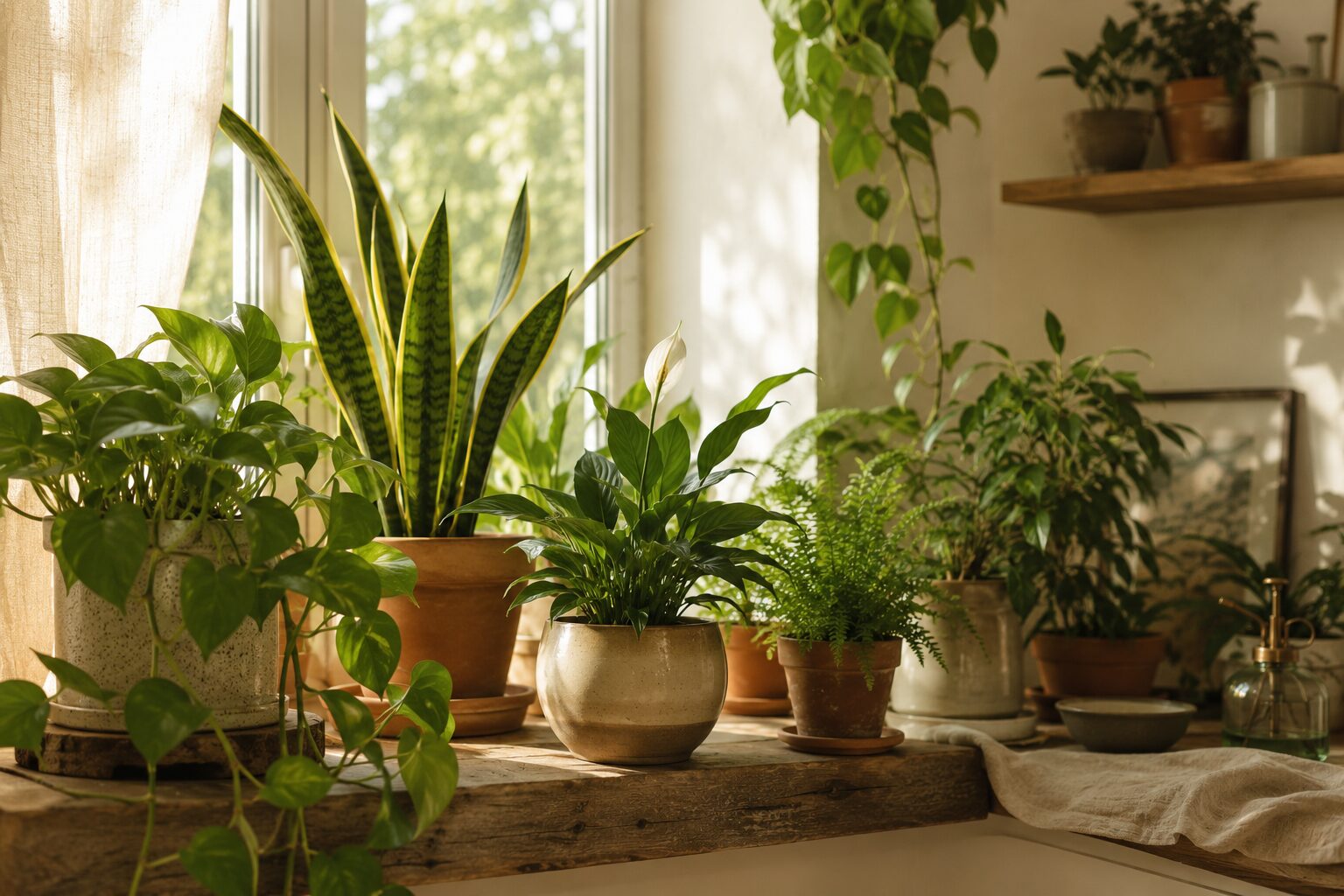
Light is the first thing to get right because you can’t fix it later with fertilizer or fussing. Very few plants truly tolerate a dark corner. According to Oklahoma State University Extension, most houseplants want the kind of light found within four to eight feet of a bright south-facing window. Some tolerate a spot right at the glass; others prefer softer light a little further back.
The plant will tell you if it’s unhappy. Too little light produces tall, lanky, small-leaved growth as the plant stretches toward the window, while too much can scorch sensitive species like African violet. Before you buy, be honest about the light you actually have, then choose plants to suit it. If a room simply lacks natural light, a full-spectrum LED grow light fills the gap nicely. And if you want the whole picture on brightness levels, our plant care basics hub breaks light down room by room.
Tip 2 — Water by the plant, not the calendar
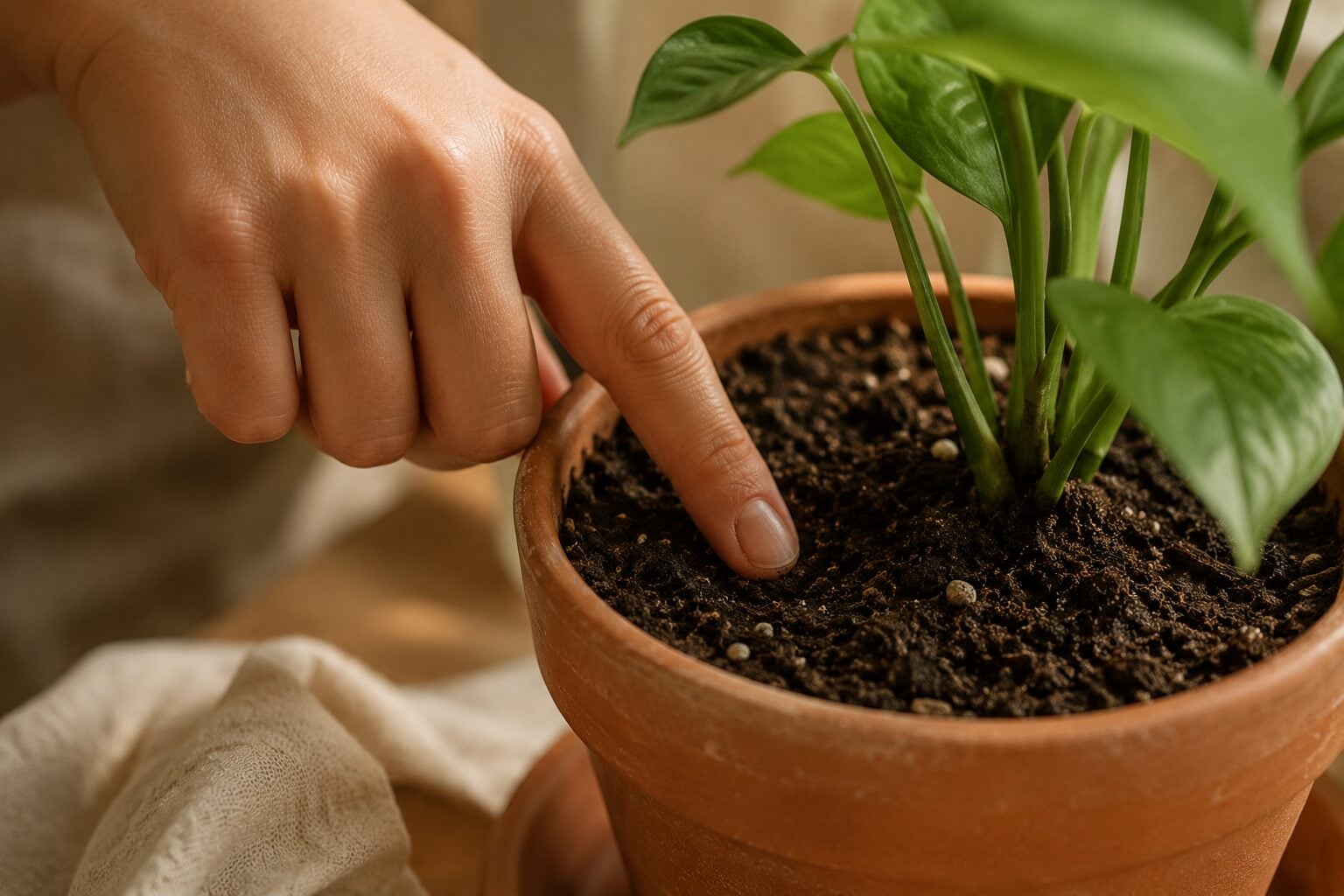
The most damaging habit in houseplant care is watering on a fixed schedule. As the University of Minnesota Extension puts it, plants don’t follow a calendar and neither should you. Instead, learn to read when a plant is actually thirsty. Feel the top inch or two of soil with your finger; if it’s dry, it’s usually time to water. You can also lift the pot — a dry rootball feels surprisingly light, while a moist one is noticeably heavier.
When you do water, water thoroughly. Oklahoma State recommends pouring enough tepid water over the soil that it drains freely from the bottom, then letting the medium become dry (or nearly so) before the next drink. Watering frequency depends on pot size, light, temperature, and species: small pots may need water every two or three days, while large pots can go a week or two. A slim long-spout watering can makes it easy to soak the soil without splashing foliage.
Tip 3 — Remember that overwatering kills more plants than anything
If there’s a single sentence to tape to your watering can, it’s this one from Oklahoma State: more houseplants succumb from improper watering than from any other single cause. And the usual culprit isn’t forgetting — it’s overdoing it. Roots need oxygen as much as they need moisture, and soil that stays constantly wet suffocates them, invites rot, and can bring on a fungus gnat invasion for good measure.
The University of Minnesota describes a telling trap: a wilted plant sitting in moist soil. Instinct says “water it,” but wilting with damp soil usually means the roots have already rotted and can no longer drink. When in doubt, wait a day and check again — an underwatered plant perks right back up, while an overwatered one only gets worse. Erring slightly dry is almost always the safer bet.
Tip 4 — Insist on real drainage
Drainage is inseparable from watering, and it’s where a beautiful pot can quietly doom a plant. A good container has at least one real drainage hole, and you should never leave a plant standing in a saucer of water, which wicks moisture back up and rots the roots. Skip the old advice about a layer of gravel or pot shards in the bottom, too — both Oklahoma State and Minnesota note it actually slows water movement and steals space the roots could use.
If you’ve fallen for a decorative pot with no hole, use the pot-within-a-pot method: grow the plant in a plain nursery pot that drains, water it over the sink, let it drain completely, then set it back inside the pretty one. Terracotta and other unglazed clay pots with drainage holes are especially forgiving because their porous walls let excess moisture escape and the soil breathe.
Tip 5 — Use the right potting medium
What your plant grows in matters as much as how you water it. Reach for a quality bagged potting mix, never garden soil, which compacts into a dense, airless brick indoors. Oklahoma State suggests that a medium of roughly 50 percent peat moss, 35 percent bark, and 15 percent perlite suits most houseplants — enough water-holding capacity to stay evenly moist, but loose enough to drain and hold air.
It helps to know your mix’s personality. Blends heavy in peat moss hold water and dry out slowly, so you’ll water less often; those high in perlite or vermiculite drain fast and dry quickly, so you’ll water more. A bag of all-purpose indoor potting mix covers the vast majority of leafy houseplants, while cacti and succulents want something grittier and sharper-draining instead.
Tip 6 — Raise the humidity most homes lack
Here’s the factor beginners most often overlook. Most indoor air, especially in a heated home in winter, is far drier than tropical houseplants like. Oklahoma State notes that many plants prosper at 50 to 60 percent relative humidity — more than most people keep in their living rooms. The telltale signs of air that’s too dry are brown, crispy leaf tips and edges.
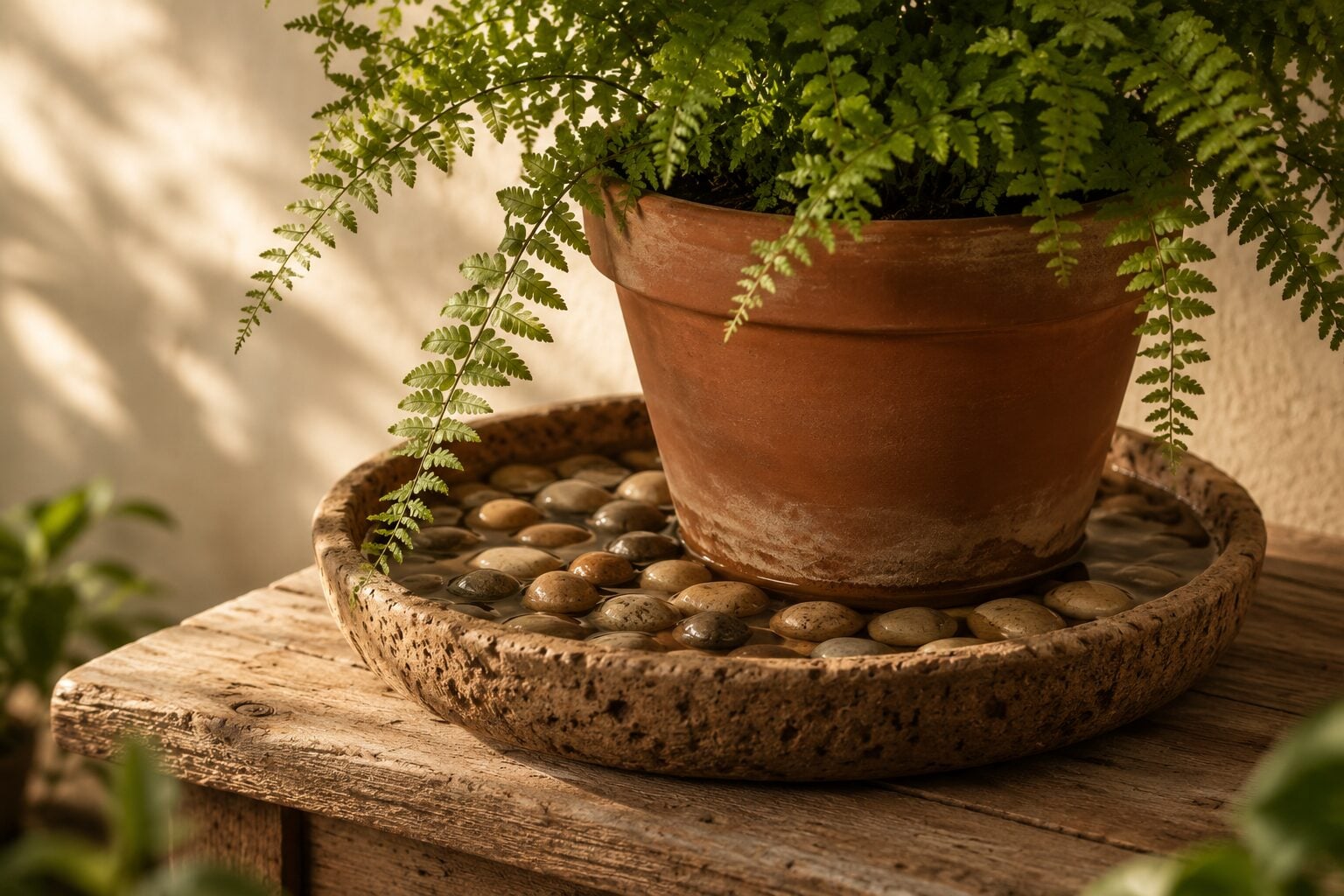
The simplest fix is a pebble tray: set the pot on a shallow tray of moist gravel, keeping the water level just below the base of the pot so it isn’t wicked up into the soil. Grouping plants together raises the humidity in their shared pocket of air, and for thirsty ferns or calatheas a small room humidifier does the job effortlessly. Cacti and succulents are the exception — they’re perfectly happy in dry household air.
Tip 7 — Mind temperature and drafts
Most houseplants come from stable, mild climates and dislike sudden swings. Oklahoma State recommends keeping them in the 65°F to 75°F range and, just as importantly, away from extremes. Almost none will tolerate the hot, dry blast of a furnace vent or the cold gusts by a frequently opened door. Keep foliage from pressing against icy winter window glass, which can chill and damage the leaves it touches. A consistent, moderate spot beats a bright but drafty one nearly every time.
Watch out for the hidden temperature traps, too. The top of a refrigerator runs warm; the sill above a radiator bakes; a spot that’s perfect in summer can turn into a cold pocket once the heat kicks on in October. When you rearrange for winter, do a quick draft check by holding your hand where the plant sits for a minute or two — if the air feels noticeably warmer or cooler than the rest of the room, so will your plant’s roots. Moving a struggling plant even a foot or two away from a vent or a leaky window is often all it takes to turn things around.
Tip 8 — Fertilize only when the plant is growing
Fertilizer is a supplement, not a cure, and timing matters more than quantity. The University of Minnesota advises holding off entirely until you see active new growth — new leaves, buds, or stems — because a plant that’s resting or acclimating can’t use the extra nutrients, and the leftover fertilizer salts simply build up and burn the roots and leaf tips. That white crust on old clay pots is exactly those accumulated salts.
When plants are actively growing in spring and summer, feed with an all-purpose houseplant food mixed to about half the recommended strength, and always water thoroughly so excess salts flush out rather than concentrate. Ease off sharply in winter, in dim rooms, and in soil-based mixes. A single bottle of balanced liquid houseplant fertilizer lasts most collections a very long time. More plants are harmed by overfeeding than by the occasional missed dose.
Tip 9 — Stay ahead of pests
Indoors, disease is rare, but a handful of insects show up on even well-kept plants. Oklahoma State lists the usual suspects: aphids, cottony mealybugs, tiny spider mites (which thrive in hot, dry air and pale the tops of leaves), and scale. Your best defense is a habit: inspect leaves, especially the undersides, every time you water, so you catch trouble while it’s small.
For light infestations, an occasional lukewarm shower at the sink or in the bathtub knocks off dust and many pests at once, and a cotton swab dipped in rubbing alcohol wipes out aphids, mealybugs, and scale one by one. Quarantine any new plant for a couple of weeks before it joins the collection, and raising humidity plus the monthly rinse keeps spider mites in check. For plant-specific issues, our houseplants section digs into individual species and their quirks.
Tip 10 — Repot before your plant outgrows its home
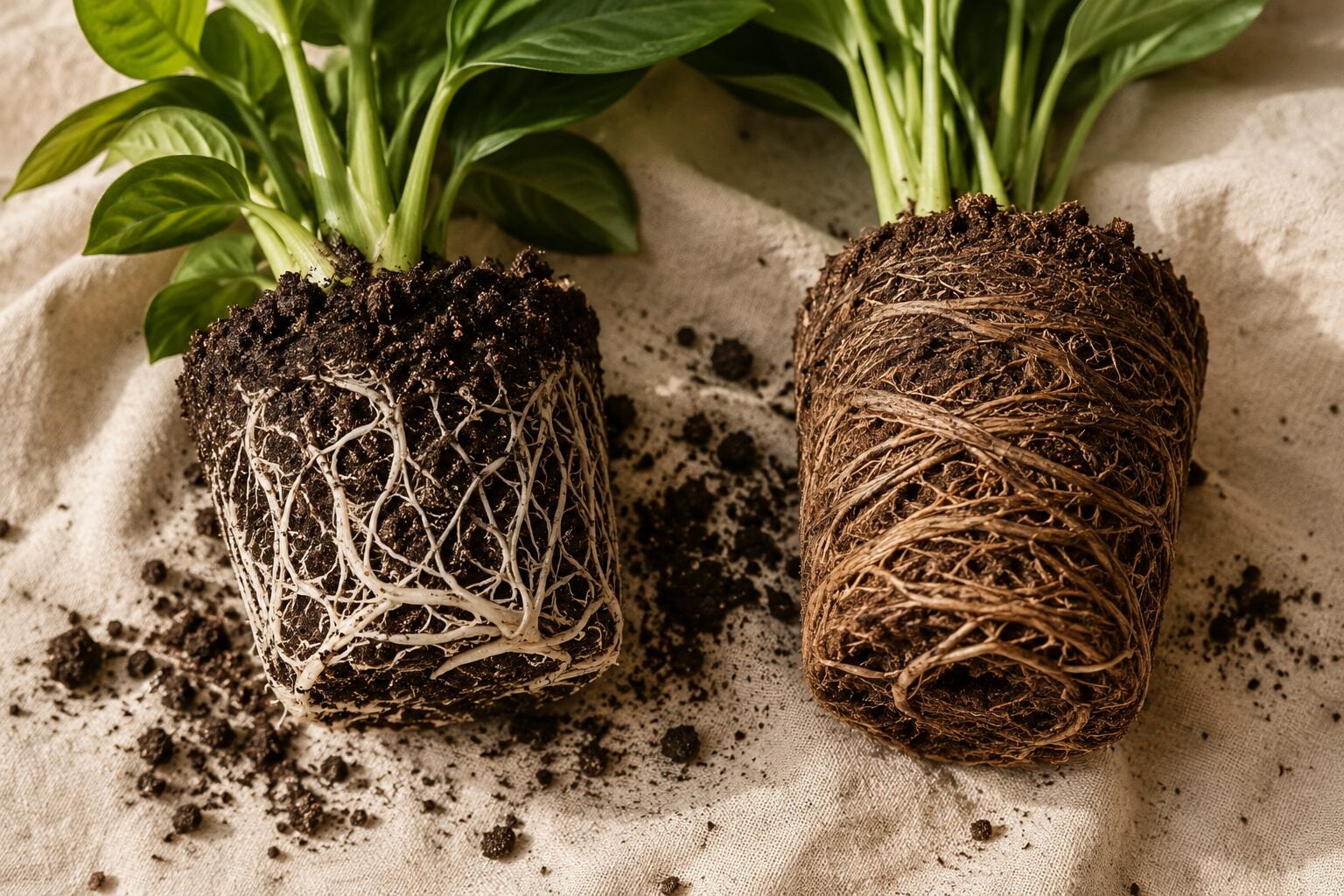
Even a perfectly cared-for plant eventually fills its pot with roots, and a rootbound plant grows pale and stunted no matter what else you do. Oklahoma State recommends checking the roots every six to twelve months: slide the plant out and look. Healthy roots are white and vigorous; roots that circle the pot in a dense brown mass mean it’s time to move up.
When you repot, go up only one to two inches in pot diameter. It’s tempting to give a plant a big new home, but an oversized pot holds a reservoir of wet soil the roots can’t reach, and that soggy excess is right back to the overwatering problem from Tip 3. Fresh mix, a modest size bump, and a thorough first watering are all it takes. Succulents follow the same logic but even more conservatively — you can read the specifics in our guide to succulent plants care.
Adjust your indoor plant care tips with the seasons
A plant’s needs aren’t fixed year-round, and the best indoor plant care tips flex with the calendar even though your watering shouldn’t be locked to it. In spring and summer, longer days and stronger light push most houseplants into active growth: they drink more, dry out faster, and actually want that half-strength feeding. This is the season to repot, propagate, and let plants stretch their legs — the extra light means they can put the resources to use.
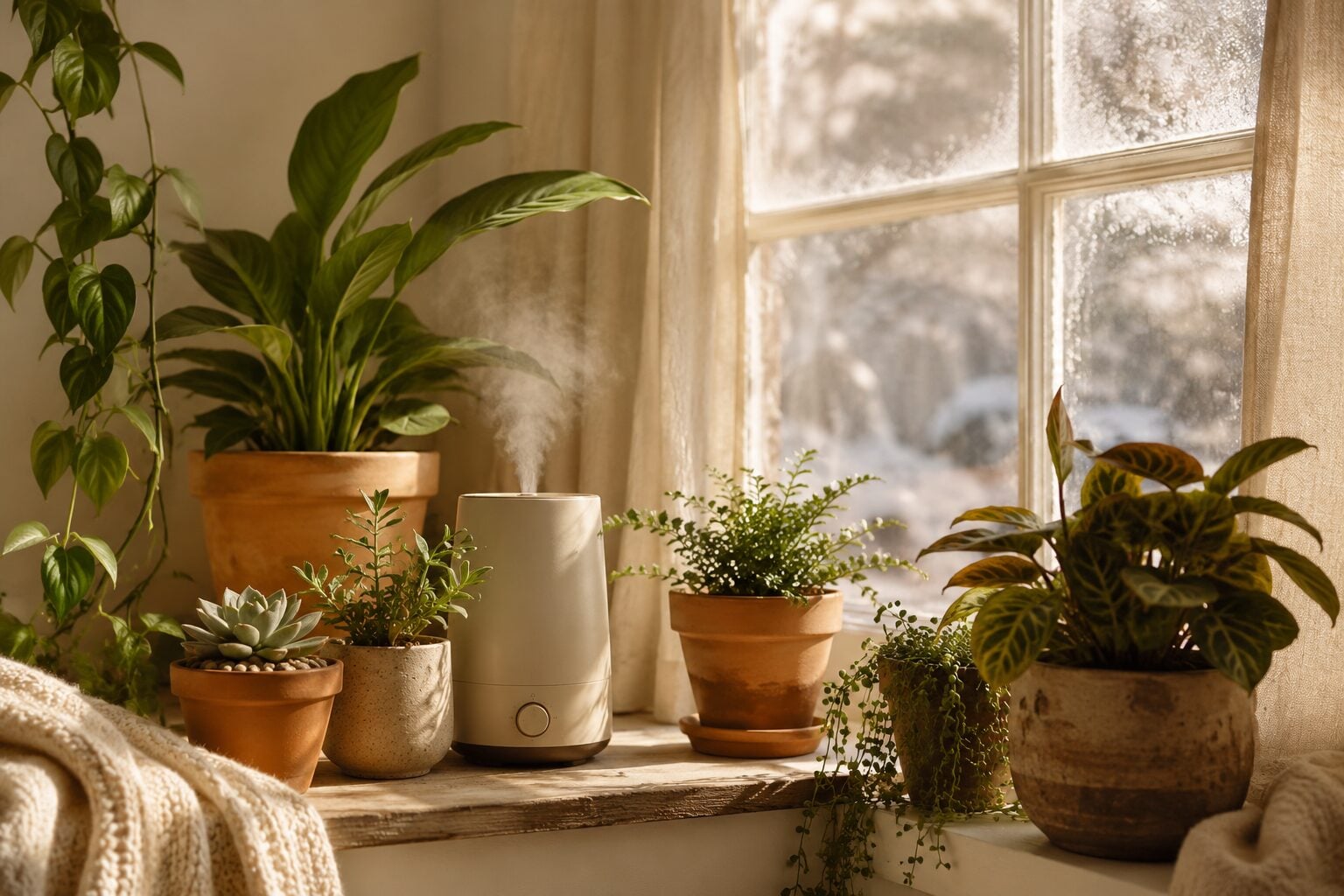
As autumn arrives and daylight shrinks, most houseplants shift toward rest. The University of Minnesota notes that plants brought in for winter, or simply slowing with the season, need less water and little to no fertilizer until you see fresh growth return. Drop your watering frequency, hold the food, and move light-hungry plants closer to your brightest window to compensate for the weaker sun. Winter is also when dry, heated indoor air does the most damage, so lean harder on your humidity tricks. Matching your routine to the season this way is the single habit that separates plants that merely survive from plants that genuinely thrive.
The easiest plants to practice on
Every one of these habits is easier to learn on a forgiving plant, so if you’re just starting out, stack the deck in your favor. A few houseplants are famously hard to kill and make ideal teachers while you build your instincts. The pothos will trail happily from a shelf and wilts dramatically when thirsty, then bounces back within hours of a drink — a plant that practically narrates its own watering needs. The snake plant tolerates low light and infrequent watering better than almost anything; if you want its full routine, see our guide to snake plant care.
Other beginner-proof choices include the ZZ plant, the cast-iron plant (true to its name), the spider plant, and the peace lily, which droops on cue when it wants water and perks up fast. Practice reading soil moisture and light on plants like these, and by the time you bring home something fussier — a calathea, a fiddle-leaf fig, a maidenhair fern — the fundamentals will already be muscle memory. Confidence, more than any single technique, is what keeps a collection alive, and forgiving plants are how you earn it.
How to read what your plant is telling you
Most of the time a struggling plant is speaking to you in leaves, and Oklahoma State offers a handy translation. Yellowing leaves that drop are usually a sign of too much water, too little humidity, poor drainage, or a temperature shock — very common in the first days after a plant comes home from a warm, bright greenhouse. Browning leaf margins point the other way, toward too little water, too much fertilizer, or sun and windburn.
Wilting is the ambiguous one: it can mean too little water or too much. If the soil is dry, the plant is simply thirsty; if the soil is moist but the plant droops, suspect rotted roots and check them. Pale foliage with stunted growth usually means the plant is underfed or has grown rootbound. Learn these four signals and you can diagnose nearly any houseplant at a glance, long before the problem becomes fatal.
Your quick-reference cheat sheet
| Rule | The short version |
|---|---|
| Light | Most plants want light within 4–8 ft of a bright south window; match the plant to the room |
| Water | Check the top 1–2 inches; water thoroughly, then let it nearly dry — never on a fixed schedule |
| Overwatering | The #1 killer; when unsure, wait a day. Wilting + wet soil = root rot, not thirst |
| Drainage | Real drain hole required; no standing water; skip gravel layers; double-pot decorative containers |
| Soil | Quality potting mix (~50% peat, 35% bark, 15% perlite); never garden soil |
| Humidity | Aim for 50–60%; use a pebble tray, grouping, or a humidifier (succulents excepted) |
| Temperature | 65–75°F; away from heat vents, cold drafts, and icy glass |
| Fertilizer | Only during active growth, at half strength; ease off in winter |
| Pests | Inspect at every watering; shower monthly; alcohol swab; quarantine new plants |
| Repotting | Check roots every 6–12 months; go up just 1–2 inches when rootbound |
None of these indoor plant care tips is complicated on its own — the magic is in doing them together and consistently. Give a plant the right light, water it only when it asks, let it drain, and keep the air from getting too dry, and you’ve eliminated the causes of nearly every houseplant death. Start with one or two easygoing plants, build the habits until they’re second nature, and you’ll find the rest of the collection practically takes care of itself.
The houseplant care kit
- Miracle-Gro Organic Indoor Potting Mix, 16 qt. — indoor potting mix
- Indoor Plant Food, Complete Liquid Fertilizer for Houseplants, 8oz — liquid houseplant fertilizer
- Japanese Long Spout Watering Can for houseplant Ornamental Plants… — long-spout watering can
- Yishang 2.5 inch Terracotta Pots with Drainage Holes,Small Mini Clay… — clay pots with drainage holes
- yadoker Plant Grow Light, LED Growing Light Full Spectrum for Indoor… — LED grow light
Opens Amazon’s cart confirmation page — you review the list and prices there, and nothing is added until you approve it. Prefer to pick and choose? Every item above links to its own product page.

Leave a Reply