
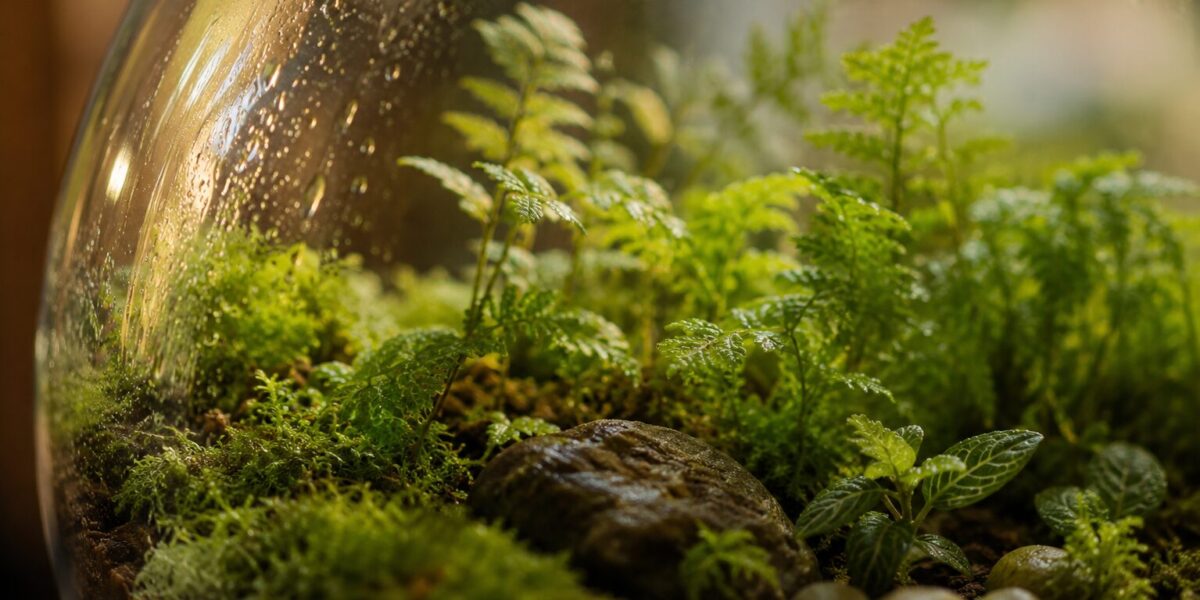
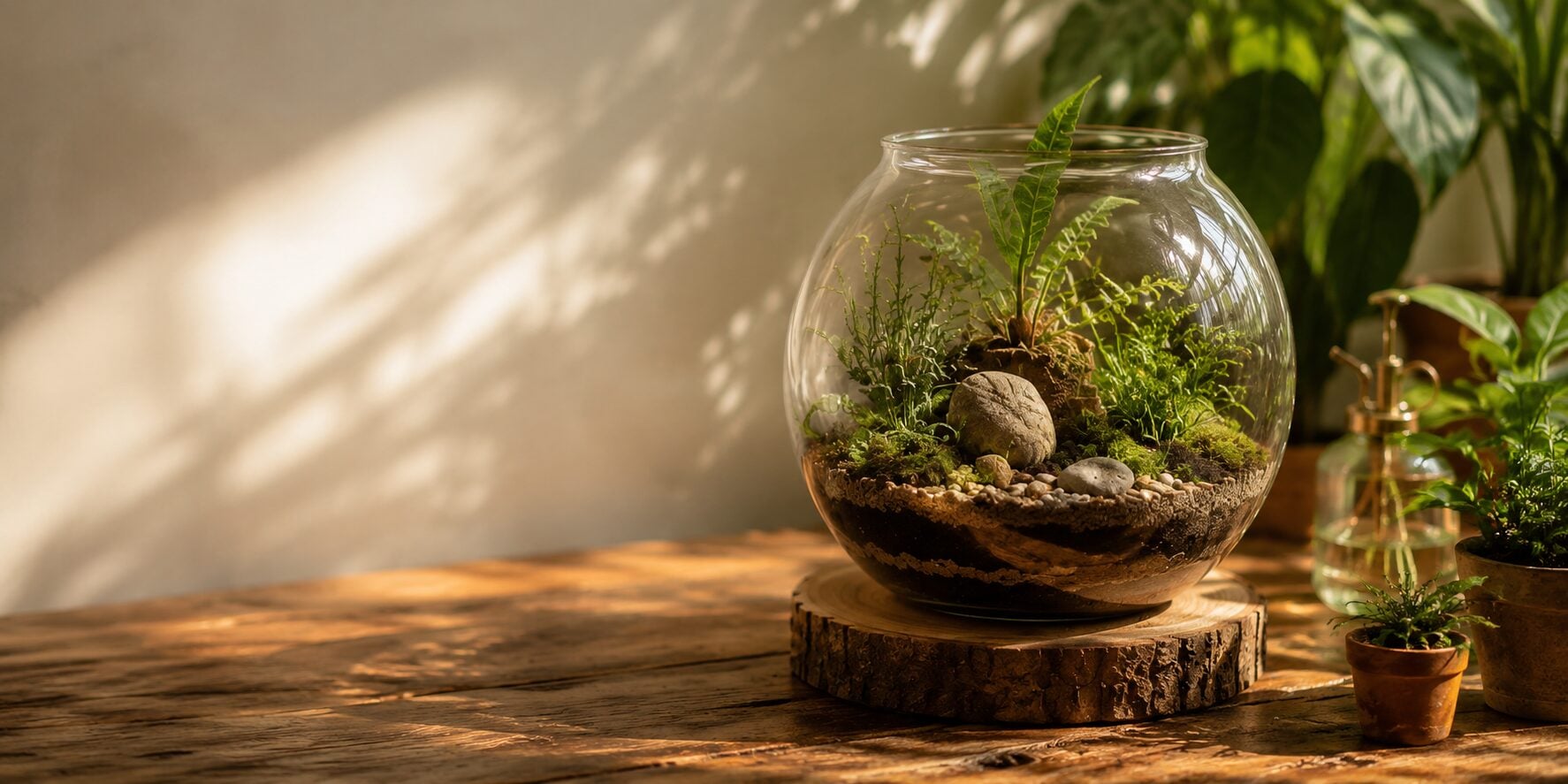
A closed terrarium is the closest thing to a self-sustaining world you can keep on a shelf. Seal the right plants inside a glass container and the moisture recycles itself — water evaporates, condenses on the glass, and rains back down — so a well-built one can go weeks between waterings. The catch is that everything depends on choosing plants that love that sealed, humid microclimate.
Humble Acres is reader-supported. When you buy through links on our site, we may earn an affiliate commission at no extra cost to you — we only recommend products we’d use ourselves. See our affiliate disclosure.

This guide covers the best closed terrarium plants (and which plants belong in open terrariums instead), how to build a sealed glass garden that lasts, and the kits worth buying.
The terrarium build kit
- Doter Horticultural Charcoal for Plants 1 qt, All Natural Hardwood… — activated charcoal for terrariums
- PYEF CRAFTS Terrarium Kit, Succulents & Indoor Plants Set DIY — complete terrarium kits
- Miracle-Gro Indoor Potting Mix for Cactus & Succulent, 8 qt. (2-Pack) — cactus & succulent potting mix
- White Nerve Fittonia – 4" from California Tropicals — fittonia nerve plants
- 2-in-1 Bonsai Tweezers Set – 8.8" Stainless Steel Long Plant Tweezers… — long terrarium tool kits
Opens Amazon’s cart confirmation page — you review the list and prices there, and nothing is added until you approve it. Prefer to pick and choose? Every item above links to its own product page.
How a Sealed Terrarium Actually Works
A closed terrarium runs its own miniature water cycle. During the day, light warms the container: moisture evaporates from the soil and transpires from the leaves, the humid air hits the cooler glass, condenses into droplets, and runs back down into the substrate. The same water loops around indefinitely, which is why a balanced terrarium may only need topping up a few times a year.
The plants recycle more than water. Leaves shed and break down in the substrate, returning nutrients to the roots — a compost loop in miniature. That’s also why a terrarium never needs much fertilizer: feeding it like a houseplant produces leggy growth that outgrows the glass in months. The whole design goal is a slow, stable little world, and every choice below — plants, substrate, light — serves that.
Closed vs. Open Terrariums: Which Plants Go Where?
Before picking plants, you need to decide what type of terrarium you’re building. This determines everything.
Closed terrariums trap humidity and recycle moisture, creating a tropical microclimate. They work best with moisture-loving plants like ferns, mosses, and fittonias. Open terrariums have no lid — humidity escapes, making them ideal for succulents, air plants, and cacti.
Mixing the two types is the most common mistake beginners make. A succulent in a closed terrarium will rot. A fern in an open terrarium will dry out and die.
Best Plants for Closed Terrariums
These plants love humidity and low-to-medium indirect light — perfect for a sealed glass container.
1. Fittonia (Nerve Plant)
Fittonias are the showstoppers of closed terrariums. Their leaves are veined in white, pink, or red, and they stay compact — usually under 6 inches. They love the consistent humidity of a sealed container and will tell you when they need water by dramatically wilting (then bouncing back quickly once watered).

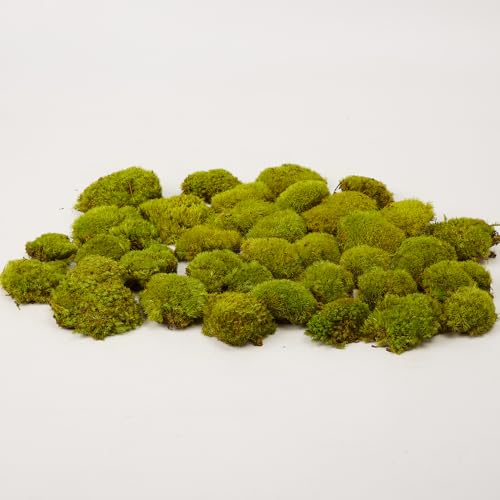
2. Cushion Moss
Moss is the best ground cover for closed terrariums. It fills gaps between plants, holds moisture, and gives the whole display a lush, forest-floor look. Sheet moss and cushion moss are the most popular choices and widely available online.
3. Miniature Ferns
Look for compact varieties like button fern (Pellaea rotundifolia) or lemon button fern. Full-size ferns will quickly outgrow a terrarium, so size matters here. Miniature ferns add height and movement to a terrarium without taking over.
4. Pothos (Small Cuttings)
A single pothos cutting placed at the back of a closed terrarium will slowly trail and fill the space beautifully. Use a small cutting and trim it back once or twice a year to keep it in check. Golden pothos and marble queen both work well.
5. Peperomia (Miniature Varieties)
Small peperomias — Peperomia prostrata (string of turtles), P. caperata, and other compact types — bring texture and patterned foliage without racing for the lid. They enjoy humidity but resent soggy roots, so plant them on a slight mound or toward the edges where the substrate drains best.
6. Selaginella (Club Moss / Spikemoss)
Not a true moss, but it behaves like a lusher, faster one. Selaginella loves exactly what a sealed container provides — constant humidity and gentle light — and forms a dense, feathery carpet. If your terrarium is big enough for a “forest floor,” this is the plant that sells the illusion.
7. Baby Tears (Soleirolia soleirolii)
Thousands of tiny round leaves on threadlike stems, spilling over rocks and filling every gap. Baby tears grow fast — plan to trim monthly — but nothing else softens hardscape edges quite like it. In an open room it’s fussy about humidity; sealed under glass, it’s effortless.
Best Plants for Open Terrariums
Open terrariums need plants that tolerate drier conditions and bright indirect light.
1. Echeveria Succulents
Echeverias are the classic open terrarium plant — rosette-shaped, colorful, and slow-growing. They come in dozens of varieties, from pale blue-green to deep burgundy. Plant them in well-draining cactus mix and give them bright indirect light.
2. Air Plants (Tillandsia)
Air plants need no soil at all, which makes them perfect for open terrariums with sand, pebbles, or driftwood. Mist them once or twice a week and make sure they get airflow — a closed terrarium would trap too much moisture around their leaves. See our complete air plant care guide for specifics.
3. Haworthia
Haworthias are a terrarium favorite because they’re small, slow-growing, and tolerant of lower light than most succulents. They look similar to aloe but stay compact. Great for geometric terrariums on shelves away from windows.

What You Actually Need to Build a Terrarium
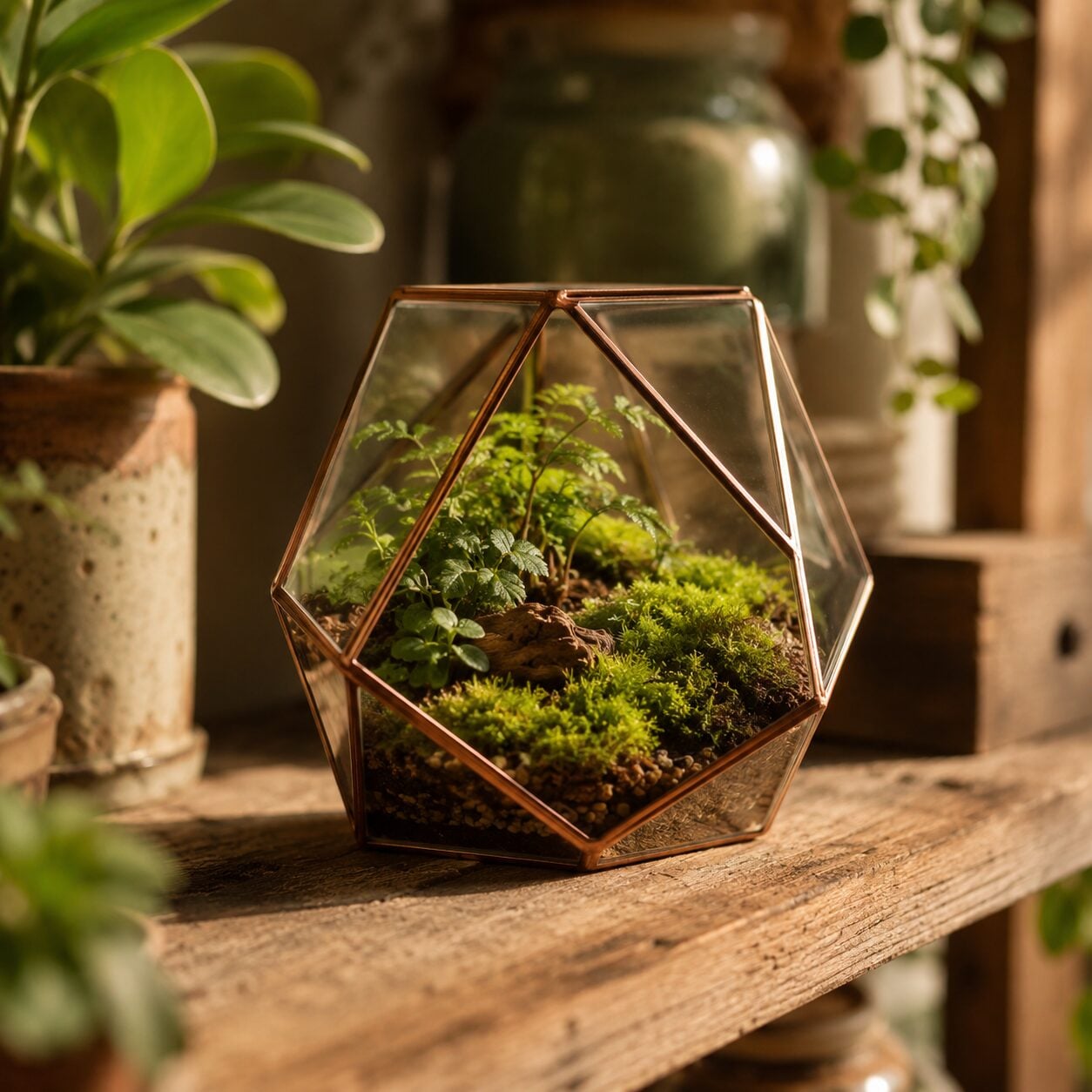
The plants are just one part of the equation. Here’s what else goes into a well-built terrarium:
- Glass container — geometric terrariums, fish bowls, or hinged-lid apothecary jars all work. Size matters: bigger is more forgiving.
- Drainage layer — pebbles or LECA at the bottom to prevent root rot in containers without drainage holes.
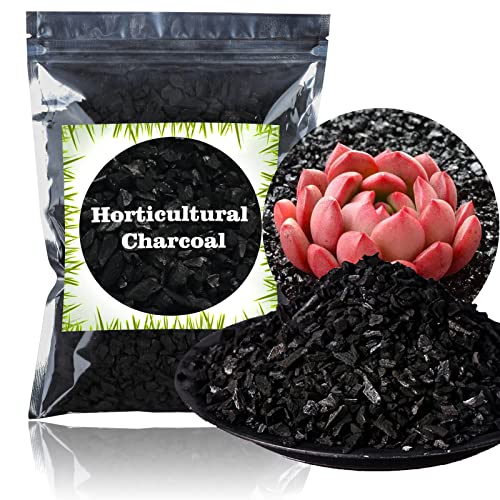
- Activated charcoal — a thin layer above the pebbles filters the water and prevents bacterial buildup.
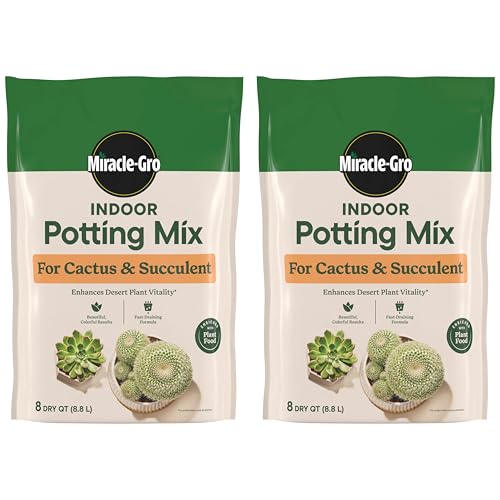
- Appropriate soil — tropical potting mix for closed terrariums, cactus/succulent mix for open ones.
- Decorative top layer — sand, moss, small stones, or bark to finish the look.

Step-by-Step: Building a Closed Terrarium That Lasts
- Clean the glass thoroughly — residue and lingering bacteria are the enemy of a sealed system. Hot water is enough; skip soap unless you rinse obsessively.
- Add 1–1.5 inches of pebbles or LECA as the false drainage layer, so excess water has somewhere to go that isn’t the root zone.
- Add a thin charcoal layer — about half an inch of activated charcoal keeps the recycled water sweet.
- Add 2–3 inches of moist (not wet) tropical mix. Sculpt it — a slope rising toward the back instantly makes the scene look deeper.
- Plant largest to smallest, keeping leaves off the glass where condensation would sit on them. Long tweezers or chopsticks make this far easier in narrow-necked vessels.
- Carpet with moss, pressing it firmly onto the soil surface.
- Water lightly around the edges — a few tablespoons in a medium vessel is plenty — then seal the lid.
- Place in bright, indirect light and watch the glass. Light morning fog that clears by afternoon is the healthy rhythm you’re looking for.

Never place a closed terrarium in direct sun. Glass magnifies heat, and a sealed container in sunlight becomes an oven within an hour. Bright, indirect light — a few feet from an east or north window — is ideal.
Maintenance: The First Month and Beyond
The first four weeks are a balancing act. Expect to open the lid a few times as the system finds its equilibrium — this is normal, not failure.
- Glass permanently fogged, water streaming down: too much moisture. Crack the lid for a few hours (up to a day) and reseal.
- No condensation at all, moss looking pale: too dry. Add a tablespoon or two of water around the edge.
- A patch of gray fuzz (mold): common in new builds. Remove it with a cotton swab, take out any affected leaf litter, and air the terrarium for a day. Springtails — tiny beneficial cleanup crews sold online — are the long-term fix for recurring mold.
- Yellowing lower leaves: usually just acclimation shedding. Remove them so they don’t rot in place.
After the first month, care drops to almost nothing: a light trim when something touches the glass, a water top-up every few months, and a quick check for fallen leaves. A well-balanced closed terrarium can run for years — the record-holders have gone decades sealed.
Ready-Made Terrarium Kits Worth Buying
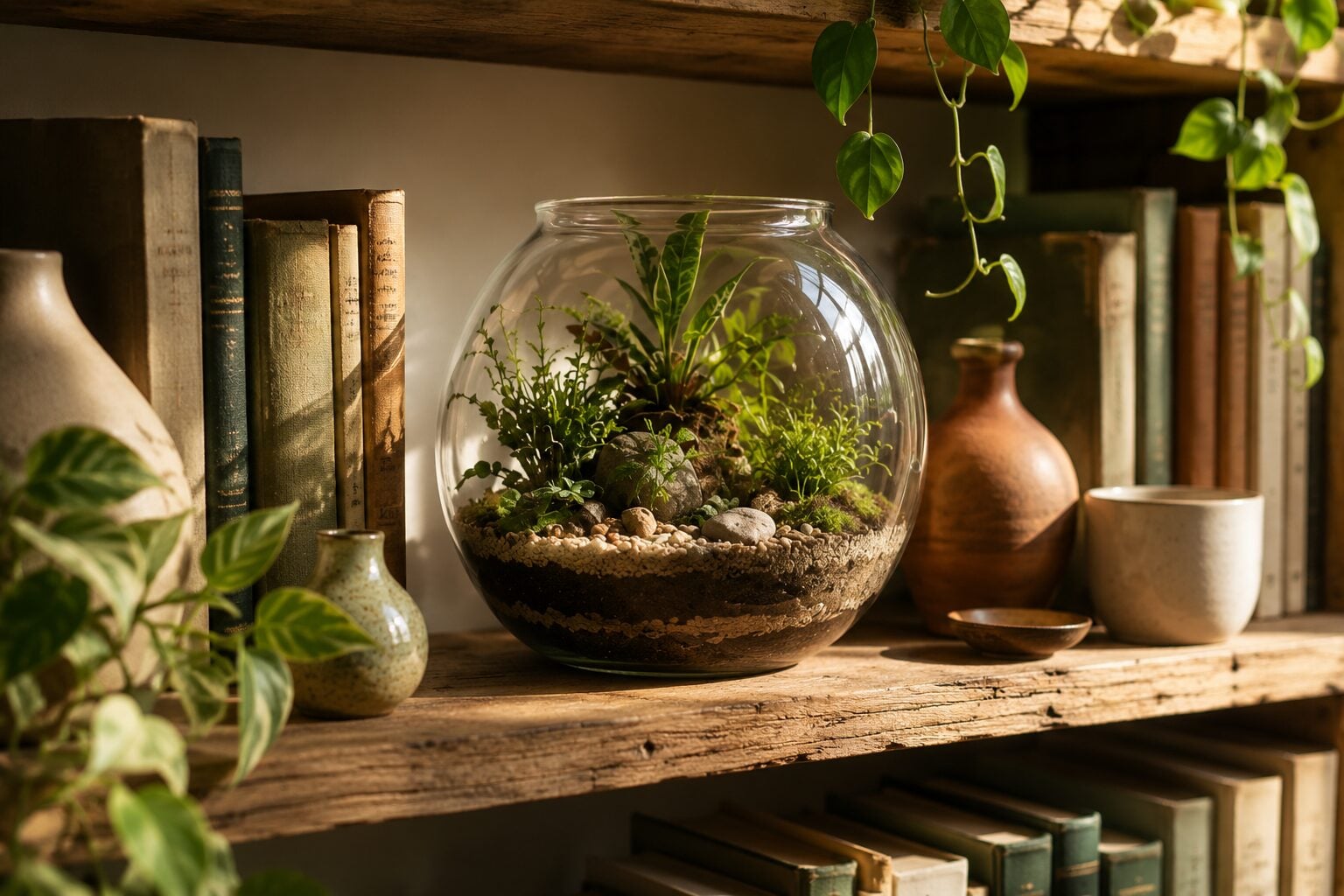
If you’d rather skip the sourcing and get everything in one box, terrarium kits are a great option — especially as gifts. Look for kits that include the container, substrate layers, plants, and instructions. The best ones on Amazon include everything down to the tweezers.
When shopping, prioritize kits that specify whether they’re for tropical or succulent plants — a kit with the wrong substrate for your chosen plants will cause problems fast.
Common Terrarium Mistakes to Avoid
- Overwatering closed terrariums. A properly sealed terrarium barely needs watering — condensation on the glass walls is a sign it’s cycling correctly. If you don’t see any condensation, add a small amount of water. If the glass is completely fogged, crack the lid for a few hours.
- Using regular potting soil for open terrariums. Standard potting mix retains too much moisture for succulents and cacti. Always use a well-draining cactus mix or add perlite.
- Putting plants together that have different needs. Grouping a moisture-lover with a drought-tolerant plant in the same container means one will always suffer.
- Choosing plants that grow too fast. Fast growers like pothos or tradescantia will quickly take over. Stick to slow-growers for low-maintenance displays.
Closed Terrarium FAQ
How often do I water a closed terrarium?
A balanced one, every 2–6 months — and only a few tablespoons at a time. Let the condensation cycle be your gauge: fog that comes and goes daily means the water supply is right.
Do closed terrariums need to be opened for fresh air?
Not on a schedule. The plants recycle the air just as they recycle the water. Open it only to correct problems — excess condensation, mold, or trimming.
Why is my terrarium molding?
Almost always: too much moisture plus dead plant material. Remove fallen leaves promptly, swab off visible mold, air it out for a day, and consider adding springtails as a permanent cleanup crew.
Can I use a jar, vase, or fish bowl instead of a purpose-made vessel?
Absolutely — any clear glass container that can be covered works. Cookie jars and apothecary jars are classics. Avoid tinted glass (it starves plants of light) and very small vessels, which swing between too wet and too dry faster than you can correct them.
The Bottom Line
Terrarium plants succeed or fail based on two things: matching the plant to the container type, and starting with quality plants. Get those two things right and you’ll have a living display that thrives for years with minimal effort.
For more on plants that work well in compact, glass-enclosed environments, explore our guides on succulents, air plants, and low light houseplants.
The terrarium build kit
- Doter Horticultural Charcoal for Plants 1 qt, All Natural Hardwood… — activated charcoal for terrariums
- PYEF CRAFTS Terrarium Kit, Succulents & Indoor Plants Set DIY — complete terrarium kits
- Miracle-Gro Indoor Potting Mix for Cactus & Succulent, 8 qt. (2-Pack) — cactus & succulent potting mix
- White Nerve Fittonia – 4" from California Tropicals — fittonia nerve plants
- 2-in-1 Bonsai Tweezers Set – 8.8" Stainless Steel Long Plant Tweezers… — long terrarium tool kits
Opens Amazon’s cart confirmation page — you review the list and prices there, and nothing is added until you approve it. Prefer to pick and choose? Every item above links to its own product page.
Related: Best Terrarium Plants for Beginners · Related: Terrariums hub
Leave a Reply