
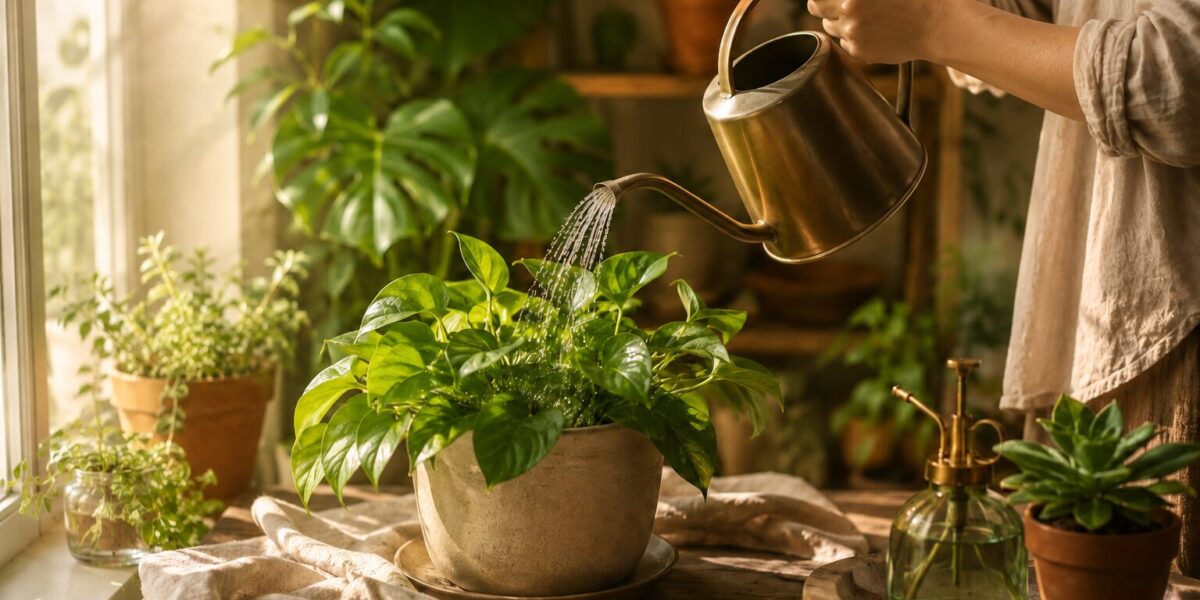
More succulents die from overwatering than from any other cause. It sounds counterintuitive — succulents are supposed to be tough — but their roots are specifically adapted to dry conditions, which means sitting in wet soil even briefly can cause root rot that’s nearly impossible to reverse.
Humble Acres is reader-supported. When you buy through links on our site, we may earn an affiliate commission at no extra cost to you — we only recommend products we’d use ourselves. See our affiliate disclosure.
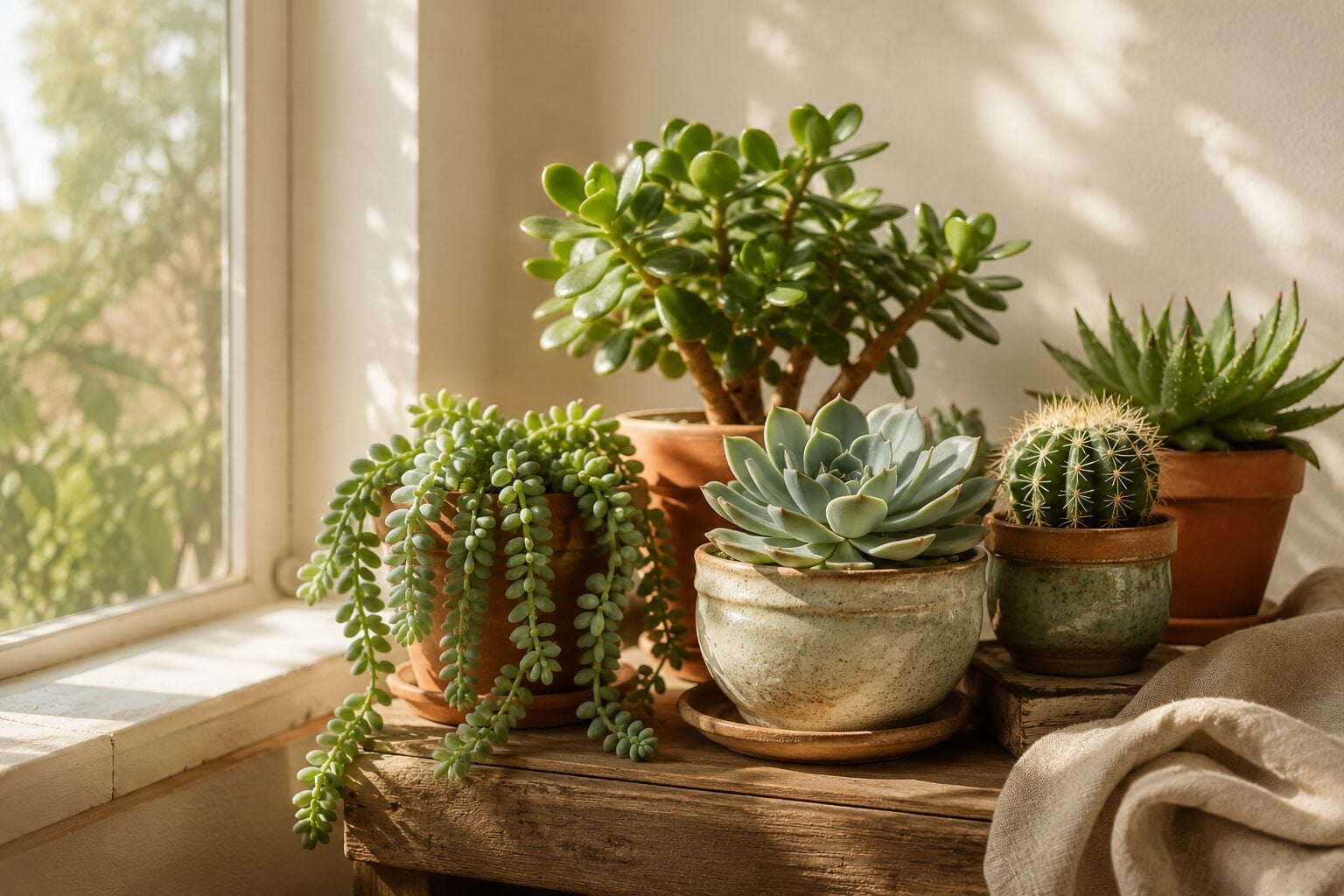
This guide covers exactly how to water succulents correctly, how often to do it, and how to tell when you’ve gotten it wrong — plus how to rescue a plant that’s already been overwatered.
The succulent starter kit
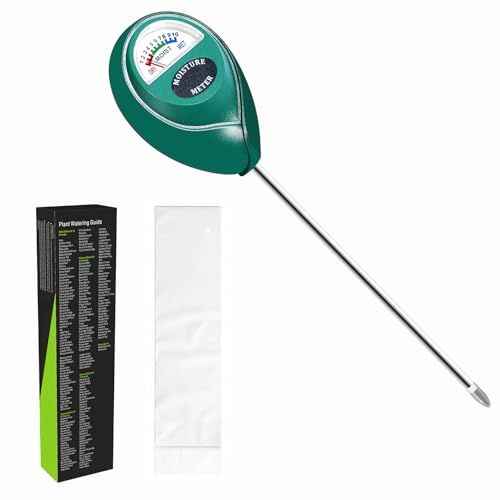
- XLUX Plant Soil Moisture Meter, for Indoor and Outdoor use, Battery-Free — soil moisture meters
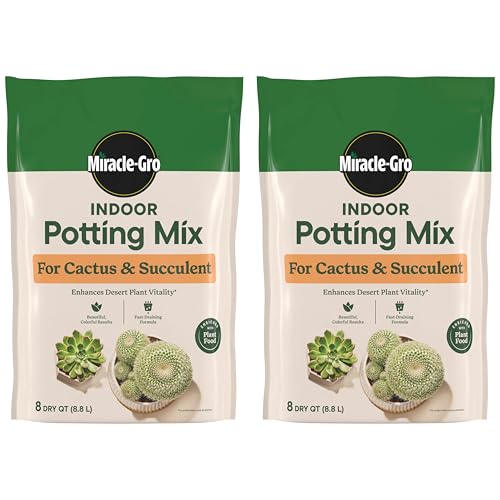
- Miracle-Gro Indoor Potting Mix for Cactus & Succulent, 8 qt. (2-Pack) — cactus & succulent potting mix
- Orceler 4 Inch Terracotta Pots with Saucer – 6 Pack Small Clay Plant… — terracotta pots with drainage
- 1.8L Watering Can, Small Watering Can for Indoor Plants with Long Spout — narrow-spout watering cans
- SupKing 9 Pack Plant Saucers (6inch /8inch /10inch), Heavy Sturdy… — plant saucers & trays
Opens Amazon’s cart confirmation page — you review the list and prices there, and nothing is added until you approve it. Prefer to pick and choose? Every item above links to its own product page.
Why Succulent Roots Are Different
Succulents evolved in arid and semi-arid regions where rain arrives rarely and all at once. According to the University of Minnesota Extension, these plants store water in fleshy leaves, stems, and roots precisely so they can ride out long dry stretches — and their fine feeder roots are built to grab water quickly when it appears, then tolerate weeks of dryness afterward.
That adaptation is exactly why constant moisture kills them. In continuously damp soil, succulent roots can’t breathe. Oxygen-starved roots die back, opportunistic fungi move into the dead tissue, and rot spreads upward into the stem. By the time the damage is visible above the soil line, it’s often been underway for weeks. Every watering rule in this guide flows from that single fact: succulents need a drenching, then a drought.
The Golden Rule: Soak and Dry
The correct watering method for succulents is called soak and dry. Water thoroughly until water drains freely from the bottom of the pot, then wait until the soil is completely dry before watering again. Not slightly dry. Bone dry.
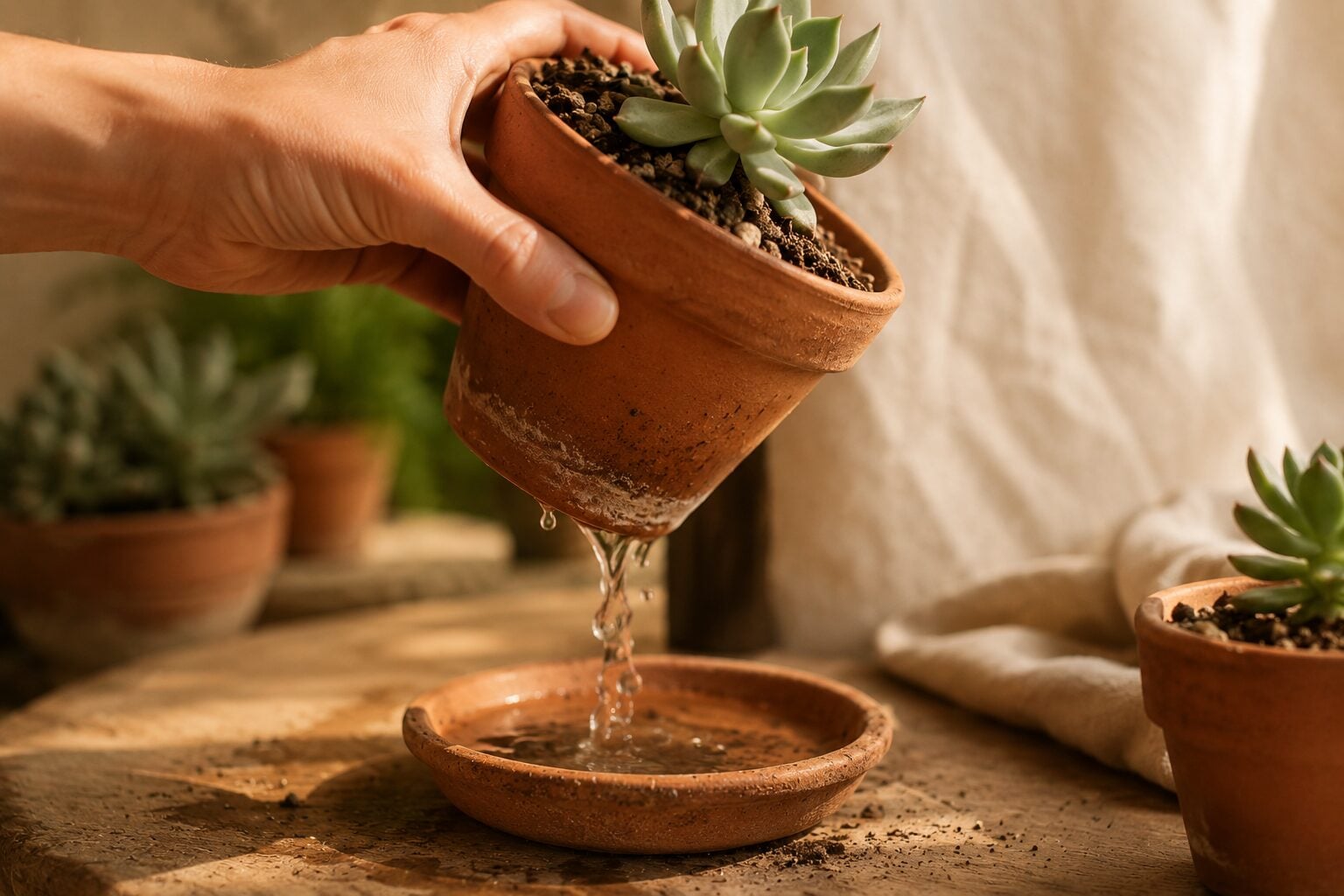
This mimics the natural rainfall patterns of desert and semi-arid environments where succulents evolved — occasional heavy rain followed by long dry periods. The roots take in a large amount of water at once, store it in the leaves and stems, and then survive on those reserves until the next rain.
Light, frequent misting is the worst thing you can do. It keeps the top of the soil perpetually damp without ever reaching the roots properly, which encourages fungus and rot near the surface while the roots stay dry below.
A narrow-spout watering can makes the soak half of the method much easier — you can direct water at the soil, not the rosette. Water sitting in the crown of an echeveria is an invitation to rot.

How Often Should You Water Succulents?
There’s no single answer — the right frequency depends on your climate, the season, the pot size, and the soil. But here are reliable starting points:
- Spring and summer (growing season): Every 7–14 days for most indoor succulents. Outdoor succulents in hot weather may need water every 5–7 days.
- Fall and winter (dormant season): Every 3–4 weeks. Succulents slow down significantly in winter and barely need water at all.
- New cuttings and propagations: Every 2–3 days with light misting until roots form, then switch to soak and dry.
The soil is always the best indicator. Stick your finger 1–2 inches into the soil — if it’s still damp, wait. If it’s dry, water thoroughly.
What changes the schedule
- Pot size: small pots dry out in days; large pots can stay damp for two weeks or more. The bigger the pot, the longer you wait.
- Pot material: porous terracotta can double the drying speed compared to glazed ceramic or plastic.
- Humidity: in a humid climate (or a steamy bathroom), stretch the interval. In dry, centrally-heated winter air, soil dries faster than you’d expect.
- Light and temperature: a succulent on a hot south windowsill drinks far more than the same plant in a cool, bright corner.
- Root fill: a root-bound plant pulls water out of its pot quickly; a freshly repotted one barely touches it. Water cautiously for a few weeks after repotting.
Does Water Quality Matter?
Less than most people fear, but a little. Room-temperature tap water is fine for nearly all succulents. If your tap water is heavily softened, though, avoid it — water softeners swap minerals for sodium, and sodium accumulates in the small soil volume of a pot until it damages roots. Rainwater or filtered water is a better choice in that case.
Very cold water straight from the tap can shock roots in the growing season. Letting the watering can sit until it reaches room temperature is a small habit that removes the risk entirely.
The Right Soil Makes All the Difference
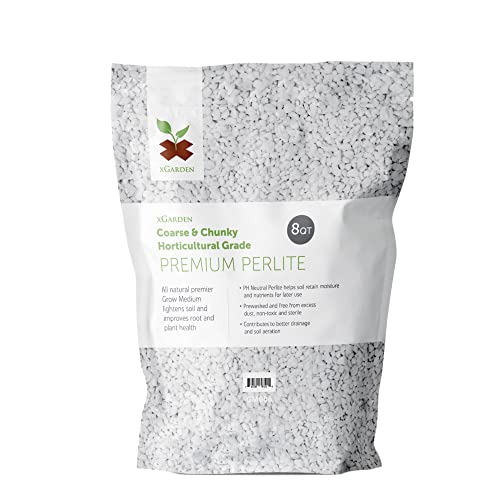
Watering correctly is half the battle. The other half is using soil that actually drains. Standard potting mix holds too much moisture for succulents. You need a mix designed for cacti and succulents — or make your own by combining regular potting soil with perlite at roughly a 50/50 ratio.
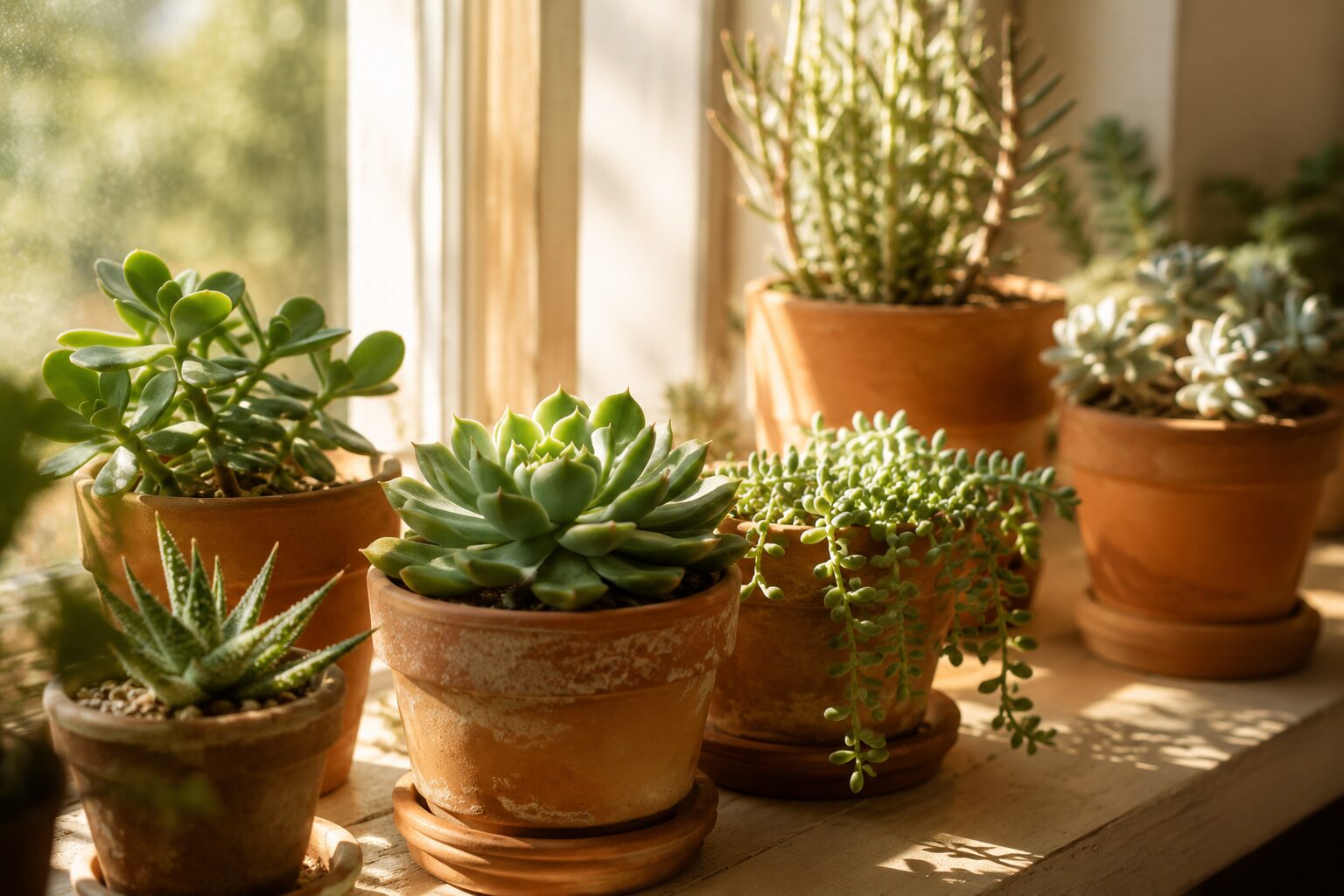
The pot matters too. Terracotta pots are ideal because they’re porous and allow soil to dry out faster. Glazed ceramic or plastic pots retain moisture longer, which means you need to water even less frequently.

Always use pots with drainage holes. No drainage hole means water pools at the bottom and roots sit in it. This is a guaranteed path to root rot, no matter how carefully you water.
Signs You’re Overwatering
Catch overwatering early and you can usually save the plant. Here’s what to look for:
- Mushy, translucent leaves — the most obvious sign. Leaves should feel firm and slightly plump. If they’re soft and squishy, the cells are waterlogged.
- Leaves dropping with a light touch — healthy succulent leaves take some force to remove. If they fall off when you brush the plant, root rot may have already set in.
- Yellowing leaves at the base — lower leaves turning yellow and mushy is a classic overwatering sign.
- Black or brown stem near the soil line — this is root rot traveling up the stem. Act immediately: unpot the plant, cut away all black/brown roots, let the remaining roots dry for 2–3 days, then replant in fresh dry soil.
Signs You’re Underwatering
Underwatering is much easier to recover from than overwatering, but it still stresses the plant:
- Wrinkled or shriveled leaves — the plant is drawing on its stored water reserves. Water thoroughly and the leaves should plump back up within a day or two.
- Dry, crispy leaf tips — especially common in very low humidity environments.
- Slow growth or no growth — while succulents are naturally slow-growing, complete stagnation combined with wrinkled leaves usually means it needs water.
How to Rescue an Overwatered Succulent
If you’ve caught the problem while the stem is still firm, the odds are good. Work through these steps the same day you notice trouble:
- Unpot the plant and gently crumble the wet soil away from the roots.
- Inspect the roots. Healthy roots are pale and firm; rotted roots are brown-black, soft, and often smell sour. Trim every rotted root off with clean scissors.
- Remove mushy leaves. They will not recover, and leaving them invites more rot.
- Let the plant air-dry bare-root for 2–3 days somewhere bright but out of direct sun, so the cut surfaces callus over.
- Repot into dry, fresh cactus mix in a clean pot with drainage — then wait a full week before the first light watering.
If the stem itself has turned black, the root system is usually beyond saving — but the plant may still live on through its leaves. Pull a few firm, healthy leaves, let them callus for a few days, and lay them on dry succulent soil to propagate replacements. It’s slower than saving the original, but it works remarkably often.
Bottom Watering: The Best Method for Succulents
Bottom watering — setting the pot in a shallow tray of water for 15–20 minutes and letting the soil absorb moisture from below — is arguably the best watering method for succulents. It encourages roots to grow downward toward the water source, keeps the top layer of soil dry (reducing fungus risk), and ensures even moisture distribution throughout the root zone.
After bottom watering, always let the pot drain completely before returning it to its spot. Never leave it sitting in water.

Watering by Type: Quick Guide
Most succulents follow the soak-and-dry rule, but a few common types deserve individual notes:
- Echeveria: standard soak and dry, but keep water out of the rosette — trapped droplets cause crown rot and sunburn spots.
- Jade plant (Crassula): very forgiving, but drops leaves when thirsty. In winter it can go a month or more between waterings.
- Haworthia: tolerates lower light than most, which means slower drying — err on the dry side, especially in glazed pots.
- Aloe: deep pots and deep waterings; wrinkled, curling leaves are its thirst signal.
- Cacti: the extreme end of the spectrum. In winter dormancy, many cacti want no water at all for 6–8 weeks.
- String of pearls and other trailing types: shallow roots dry fast, but the thin stems rot easily — water lightly and more often than a jade, never soggy.
Watering Succulents in Terrariums
Succulents in terrariums without drainage holes need extra care. Water sparingly — use a small watering can or a spray bottle to add a precise amount. When in doubt, less is more. The soil should dry out completely between waterings, which takes longer in a sealed or semi-sealed container.
For more on building the right home for your succulents, see our guide to terrarium plants and plant care basics.
Succulent Watering FAQ
Should I water succulents from the top or the bottom?
Both work if you’re thorough. Bottom watering is gentler and keeps the crown dry; top watering is faster and flushes accumulated minerals out through the drainage hole. Many growers alternate — mostly bottom watering, with a top-down flush every month or two.
Can I use ice cubes to water succulents?
No. The slow-melt trick delivers exactly the kind of shallow, constant surface moisture succulents hate, and near-freezing water stresses roots. Room-temperature water on the soak-and-dry schedule is the whole secret.
Do succulents need misting?
Mature succulents, no — misting is for propagating leaves and unrooted cuttings only. If you enjoy misting your plant shelf, keep the spray away from rosettes, where trapped moisture causes rot.
How do I water succulents while I’m on vacation?
For trips under three weeks: water thoroughly the day you leave, and move plants a little further from hot windows. That’s it. Succulents handle a two-week drought far better than a well-meaning plant sitter with a watering can. For longer absences, ask your sitter to water once — and show them the finger test first.
The Quick Reference Summary
- Use the soak and dry method — water deeply, then wait for complete dryness
- Water every 7–14 days in summer, every 3–4 weeks in winter
- Use well-draining cactus mix and pots with drainage holes
- Mushy leaves = overwatering; wrinkled leaves = underwatering
- When in doubt, water less — succulents survive drought far better than flood
The succulent starter kit
- XLUX Plant Soil Moisture Meter, for Indoor and Outdoor use, Battery-Free — soil moisture meters
- Miracle-Gro Indoor Potting Mix for Cactus & Succulent, 8 qt. (2-Pack) — cactus & succulent potting mix
- Orceler 4 Inch Terracotta Pots with Saucer – 6 Pack Small Clay Plant… — terracotta pots with drainage
- 1.8L Watering Can, Small Watering Can for Indoor Plants with Long Spout — narrow-spout watering cans
- SupKing 9 Pack Plant Saucers (6inch /8inch /10inch), Heavy Sturdy… — plant saucers & trays
Opens Amazon’s cart confirmation page — you review the list and prices there, and nothing is added until you approve it. Prefer to pick and choose? Every item above links to its own product page.
Related: Best Terrarium Plants for Beginners · Related: Succulents & Cacti
Leave a Reply